

Whether you stay or go after an incident, you will need emergency supplies to survive on your own for 3-5 days. Plan for what you and members of your household will need to meet daily needs such as meals, sanitation, medication, and personal medical devices.
To organize your supplies, you will need a bag or backpack and a storage bin or box. You’ll organize your supplies into two categories:
- The Stay Box will have items needed for you to be safe at home.
- The backpack, or Go-Bag, will have items you will need when you evacuate.
Making a Stay Box
The Stay Box contains the items you and your family need to survive in your home for 3-5 days. This could come in use when there is a power outage, or a shelter-in-place order due to safety concerns caused by an earthquake, or a winter storm.
Remember, you don’t have to do this all at once. Buy a little extra canned food and water when you go to the store until your stash is sufficient. Don’t forget your pets because they need supplies too! The more you prepare now, the more comfortable you’ll be after a disaster. After assembling your food supplies, come up with a plan to store them safely:
- Pick a date once a year (like the beginning or end of daylight savings) to check the expiration dates of your supplies
- If you packed a flashlight, check the batteries
- Store food in tightly closed containers and keep in a cool, easily accessible place
- Write a date on water jugs and rotate them every 6 months
We call it a "box," but the important thing is to get your supplies together in a set area like a corner of the garage or a closet.
Making a Go-Bag
It’s important to pack your bag ahead of time. A go-bag is a backpack, or a zippered tote, that’s large enough to store your essential items. You’ll grab your go-bag on your way out the door during an emergency. Your bag can include medications, extra clothes, diapers, cash in small bills, and your copy of the Make a Plan checklist.
The Last Minute list is for writing down your last minute items. These are personal, irreplaceable items like family photos or heirlooms. Planning what items to pack ahead of time can help you prioritize.
Your supply checklist
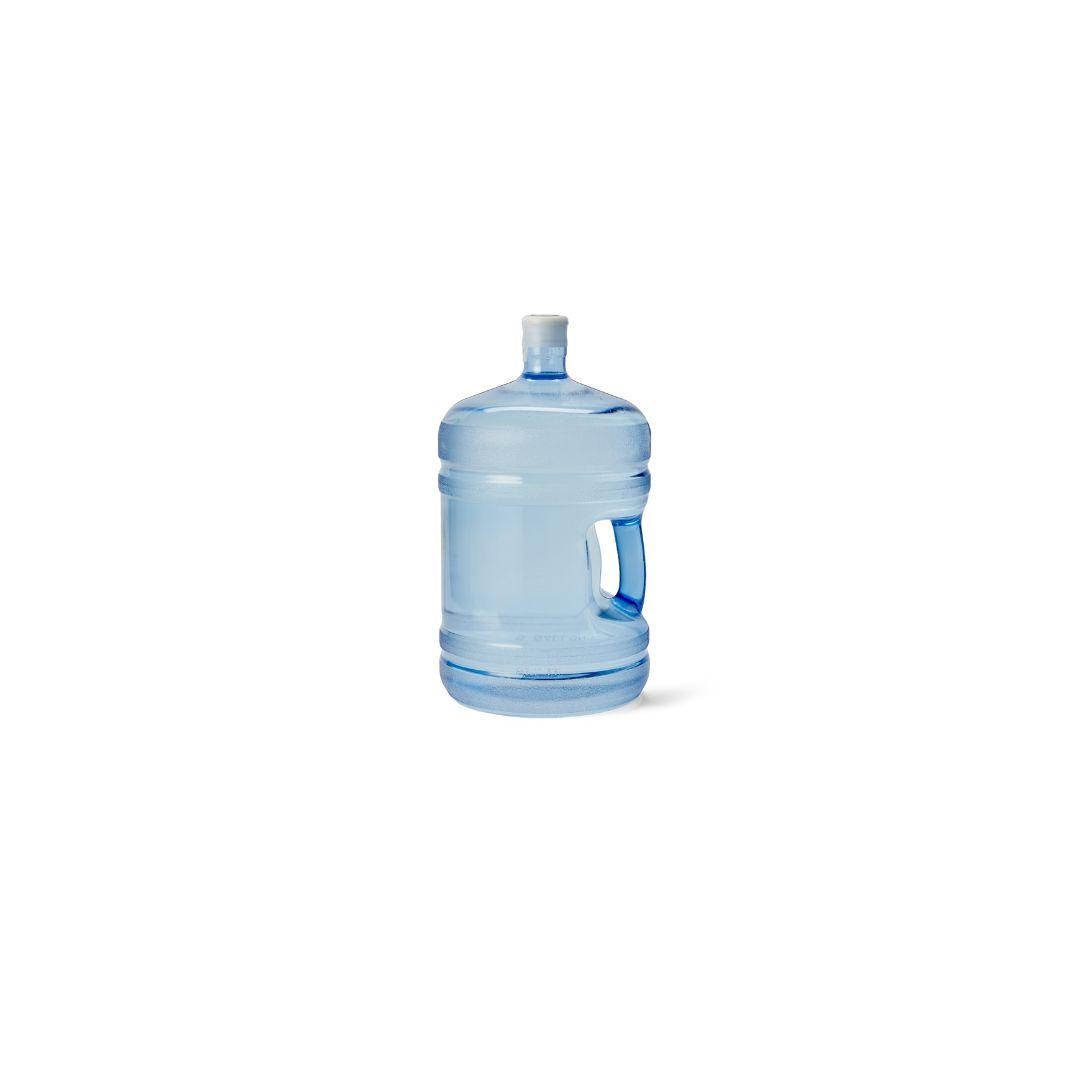
Water & nonperishable food
- Water. Plan to store 1 gallon per person per day. Include your pets. Plan to use ½ gallon for drinking and ½ gallon for cooking or sanitation each day.
- Nonperishable foods. This includes foods like canned goods, dried items like pasta or grains, or snacks like granola.
- Formula for your child, if needed.
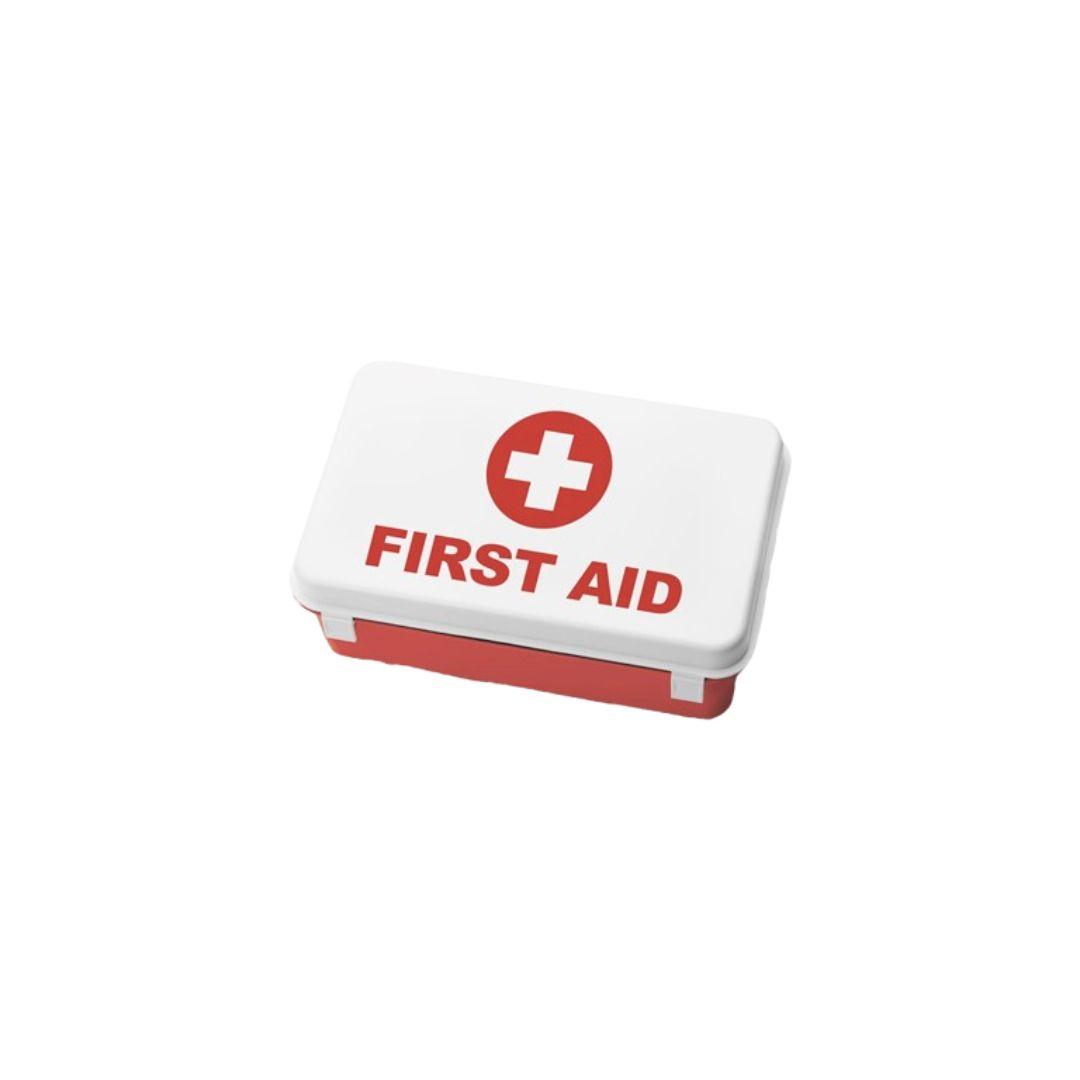
First aid supplies
- First aid kit. Include items like bandages, scissors, tape, antibiotic ointment, and hydrogen peroxide.
- N95 mask. If there’s smoke from a wildfire, an N95 mask will help filter out particulates.
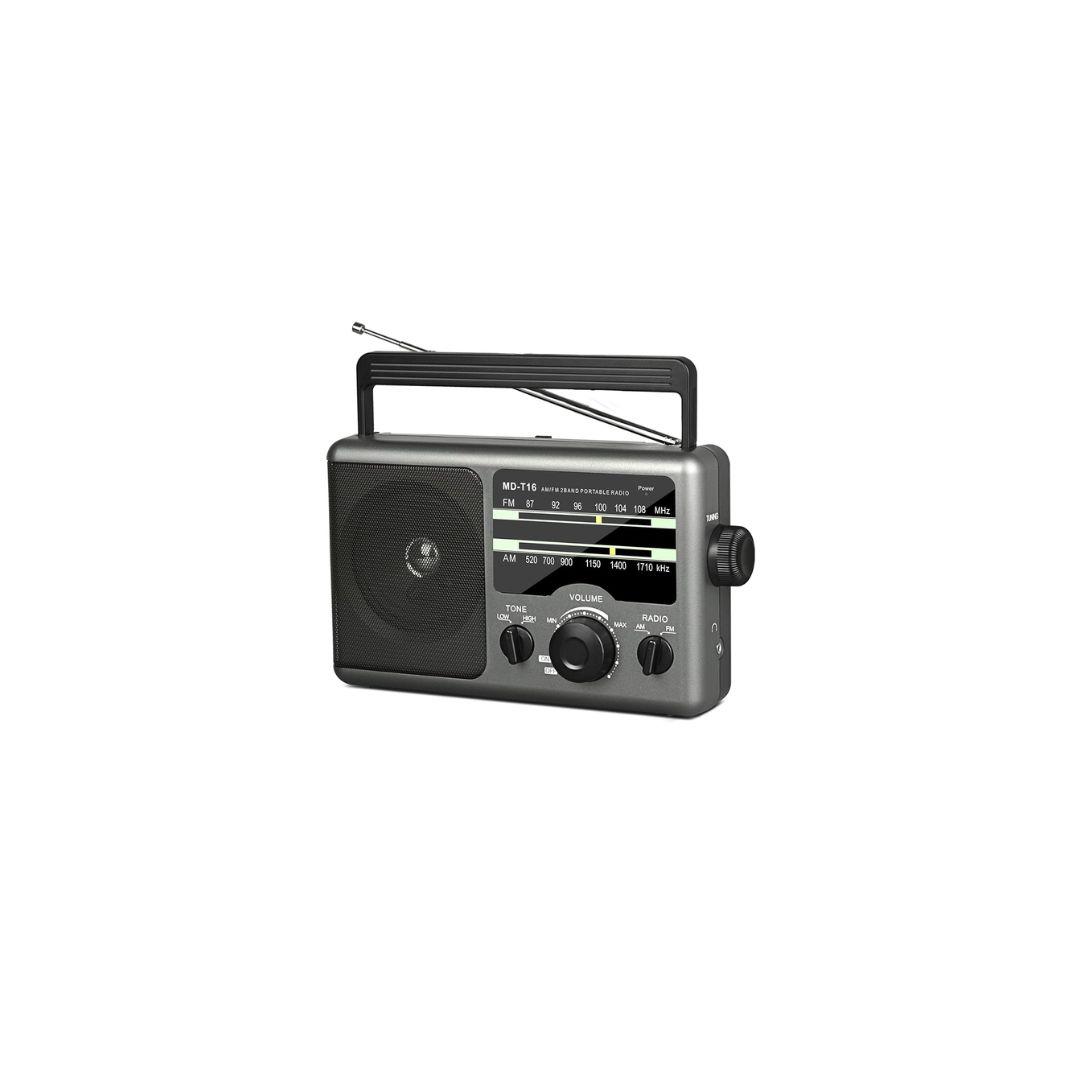
Technology
- Cellphone charger. A cell phone charger that plugs into your car will help you stay informed. A battery bank can do the same and charge other electronics.
- Radio (battery, solar, or hand crank), Feeling safe starts with knowing what’s going on — so tune into the radio. Check 740 AM for live updates (and your favorite radio station to pass the time). Check out the NOAA weather radios too
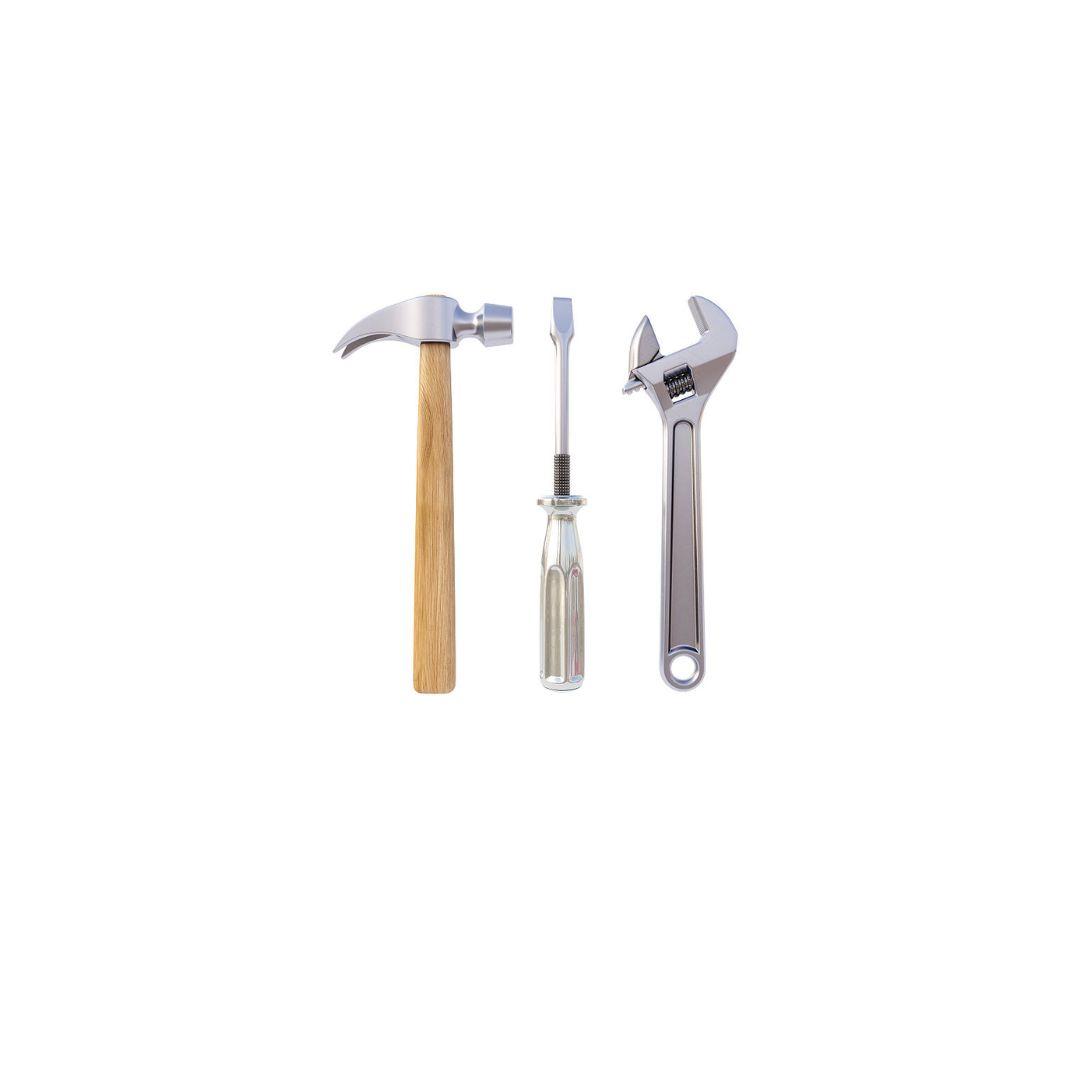
Household supplies
- A basic toolkit with items like a wrench, hammer and duct tape will help you turn off the gas, repair broken windows, or board up your home.
- Sanitary supplies like a bucket and trash bags
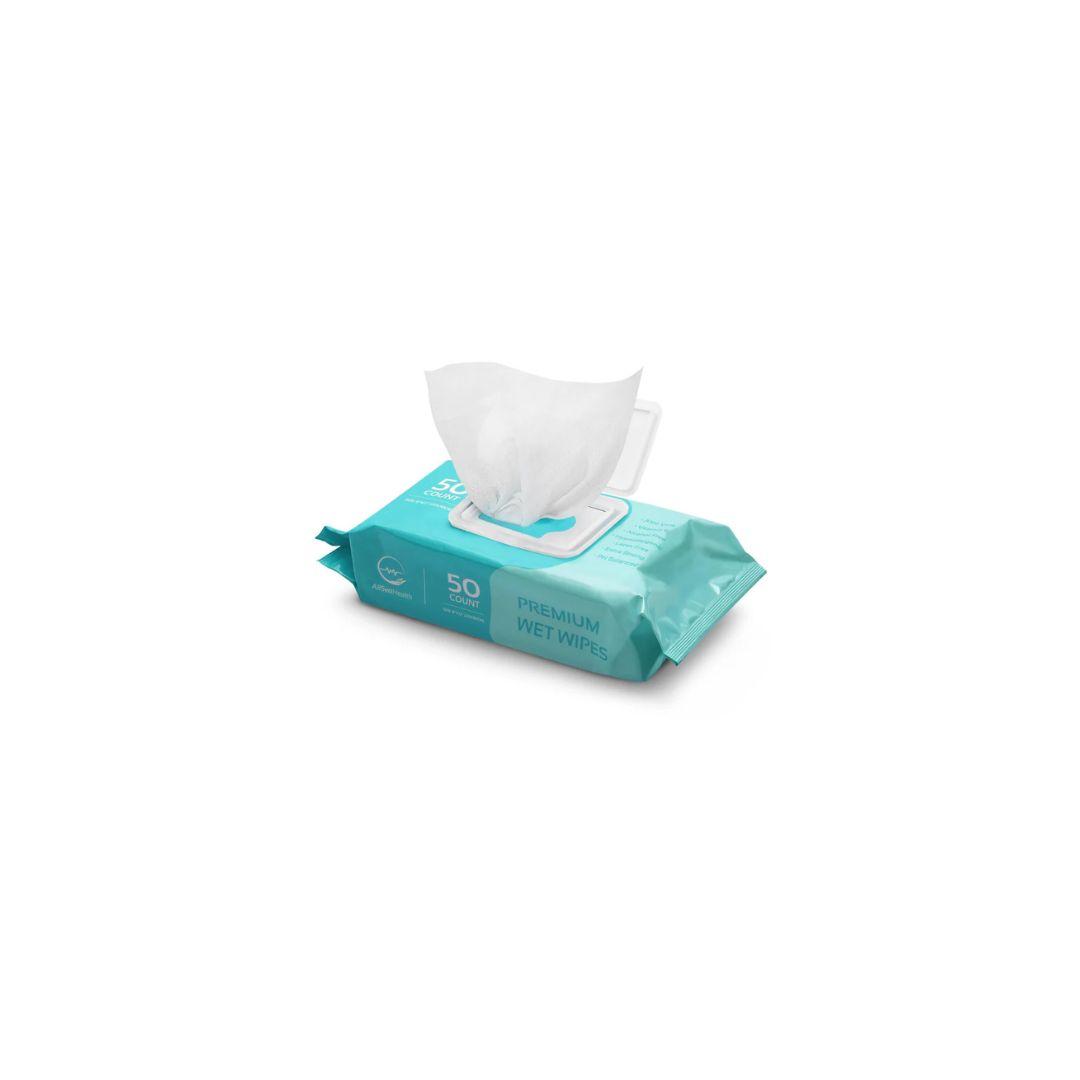
Hygiene supplies
- Items for your child, like diapers or wipes
- Personal hygiene and sanitation supplies, like toilet paper, hand sanitizer, or soap
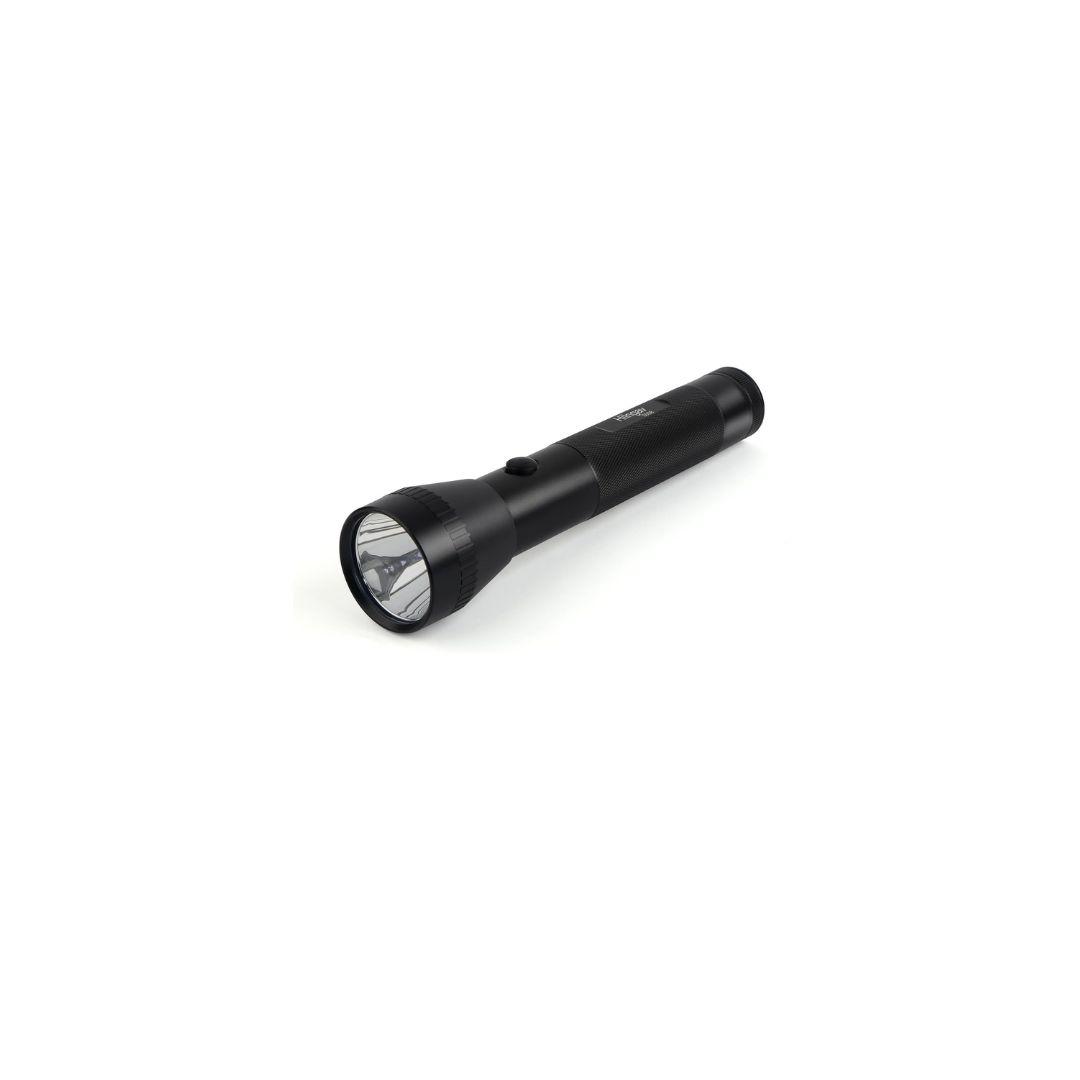
Flashlight
- Flashlight or headlamp. If the power goes out, you’ll need a flashlight or headlamp handy.

Cash
- Cash. If the power is out, ATMs and credit cards may not work and cash becomes important. Protect your purchasing power by stashing small bills.
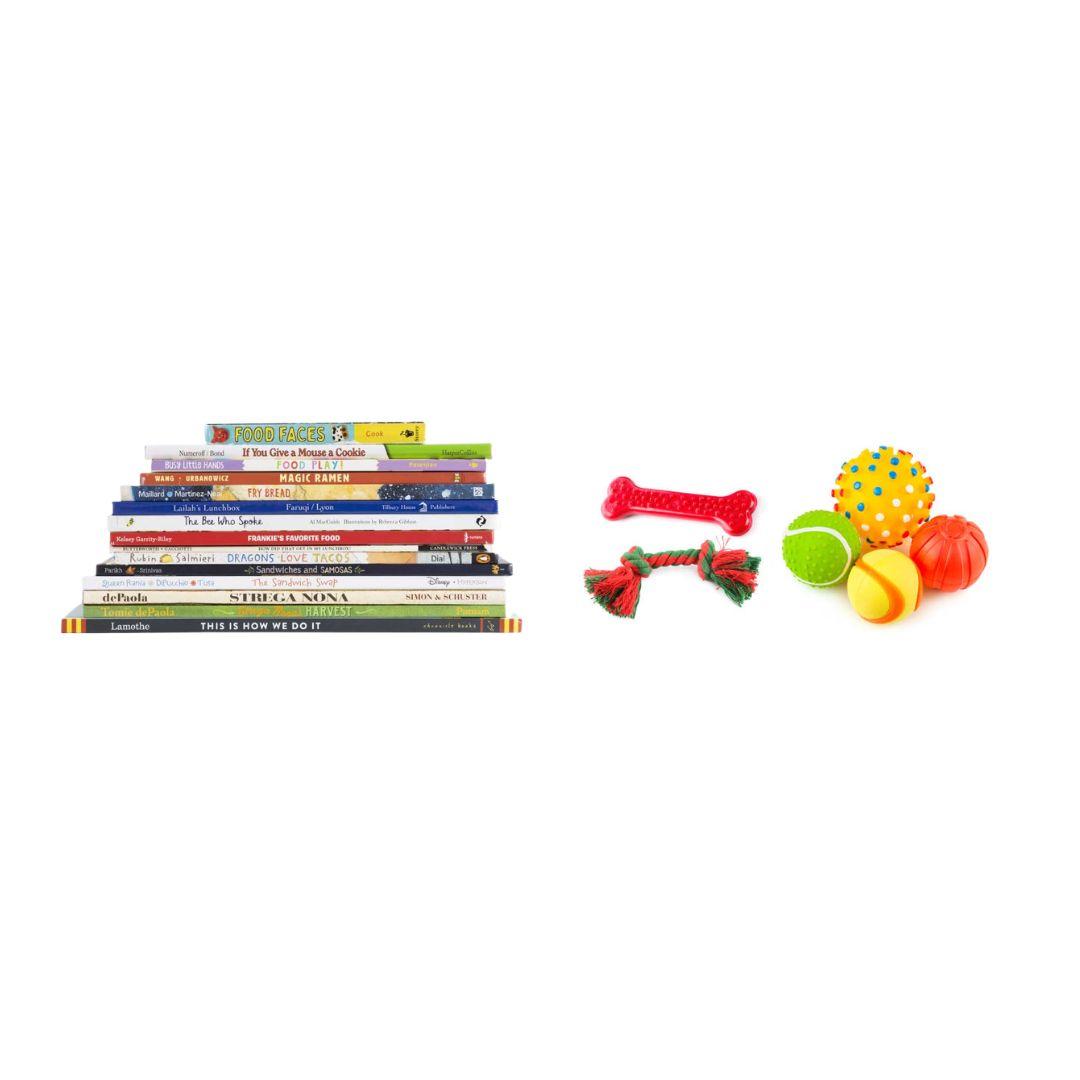
Personal items
- Medications
- Toys and games
- Items for your pet
Resources
Related
-
Gather emergency supplies checklist
Use this checklist as you gather emergency supplies and pack a go bag.
-
Make a Plan
Make a plan now, so you know how to find and get in touch with your people if an emergency happens.
-
Prepare for Specific Hazards
Know what to do in the event of a disaster like an earthquake or wildfire.
- CalFIRE: Create your go bag Learn what to include in your wildfire evacuation go bag.