

Marin County and local agencies are preparing for the winter season, and residents, businesses, and property owners have an important role to play, too. A little preparation now can make a big difference when storms arrive.
This guide walks you through simple steps you can take now, before a storm, and when severe weather is expected.
Town Hall Events
Ross Valley El Nino Town Hall
Meeting Details
Join Supervisor Brian Colbert and emergency preparedness leaders for a community Town Hall on getting ready for winter storms.
- Monday, October 19, 2026
- 6:00 PM
-
College of Marin
Center for Student Success, CSS Room 200
Kentfield, CA 94904
United States
Southern Marin El Nino Town Hall
Meeting Details
Join Supervisor Stephanie Moulton-Peters and emergency preparedness leaders for a community Town Hall on getting ready for winter storms.
- Wednesday, October 21, 2026
- 6:30 PM
-
Mill Valley Community Center
Mill Valley, CA 94941
United States
What is El Niño?
El Niño is a naturally occurring climate pattern involving warmer-than-average ocean temperatures in the tropical Pacific. It can influence weather around the world and has historically been associated with wetter conditions in parts of California.
But El Niño does not tell us exactly what will happen in Marin County.
A strong El Niño can increase the potential for significant rainfall, but the timing, location, and intensity of individual storms remain difficult to predict. Marin could experience heavy rain, strong winds, flooding, downed trees, landslides, power outages, and transportation disruptions.
That uncertainty is why preparing ahead of time matters.
What you Should Expect
Seasonal forecasts can tell us what conditions may be more likely, but they cannot predict exactly when a storm will arrive or how it will affect Marin. More specific forecasts will become available as the season approaches.
Current outlooks indicate:
- A strong to potentially historic El Niño is forecasted for the 2026–2027 winter.
- The highest-risk period is expected from late Fall through early Spring.
- The likelihood of impactful winter weather is higher than normal. This does not mean a major single disaster will occur but rather multiple prolonged storm systems that can have major impacts.
- Higher-confidence hazards include: back-to-back storm systems, including atmospheric rivers; coastal flooding and king tides; beach and cliff erosion; high surf; and elevated sea levels.
- Other concerns include: creek, river, and urban flooding; power outages and Public Safety Power Shutoffs (PSPS); transportation disruptions; and potential evacuations.
Start Preparing Now
Don't wait for a storm warning to get ready. Supplies and services may be in high demand once severe weather is forecast. Preparing early gives you more time and more options.
Know Your Risk
Learn whether your home, workplace, or regular travel routes may be affected by flooding, landslides, or other hazards. Use the search function in the upper-right corner of the map to enter an address or location. Search results will appear in the left-hand panel and include a list of identified hazards and their severity.
Hazard information is provided for general planning and informational purposes. Mapped boundaries and conditions should be verified with the responsible agency when making site-specific decisions.
Make an Emergency Plan
Talk with the people in your household about what you will do if roads are closed, the power goes out, or you need to leave your home.
Decide where you would go, how you will stay in contact, and what you will need to take with you. Include children, older adults, pets, and anyone who may need additional assistance.
Think about your support network, too. Are there neighbors, friends, or family members who may need help?
Sign Up for Emergency Alerts
Make sure you can receive timely emergency information. Sign up for AlertMarin and set up your phone to bypass “Do not disturb” so you always see the alerts no matter the time.
How to Bypass “Do Not Disturb”
iPhone
- Save AlertMarin (877 627-1411) as a Contact and tap Done.
- In Edit, select “Ringtone,” turn on “Emergency Bypass,” and tap Done.
Android
- Save AlertMarin (877 627-1411) as a Contact and tap the Star icon to favorite.
- In Settings, search “Do Not Disturb.”
- Select “Calls and Messages,” then “Add Contacts” to include the AlertMarin contact.
We recommend adding your home’s landline to your AlertMarin account as a second contact method.
Prepare Your Home
Winter storms can bring heavy rain, strong winds, flooding, power outages, and unsafe travel conditions. If your home has flooded during previous storms, it may be at risk again. Preparing your property now can help reduce damage and give you more options when conditions become dangerous.
Check Your Property
- Know where water collects on your property and address drainage problems early.
- Look for signs of water damage, erosion, or drainage problems.
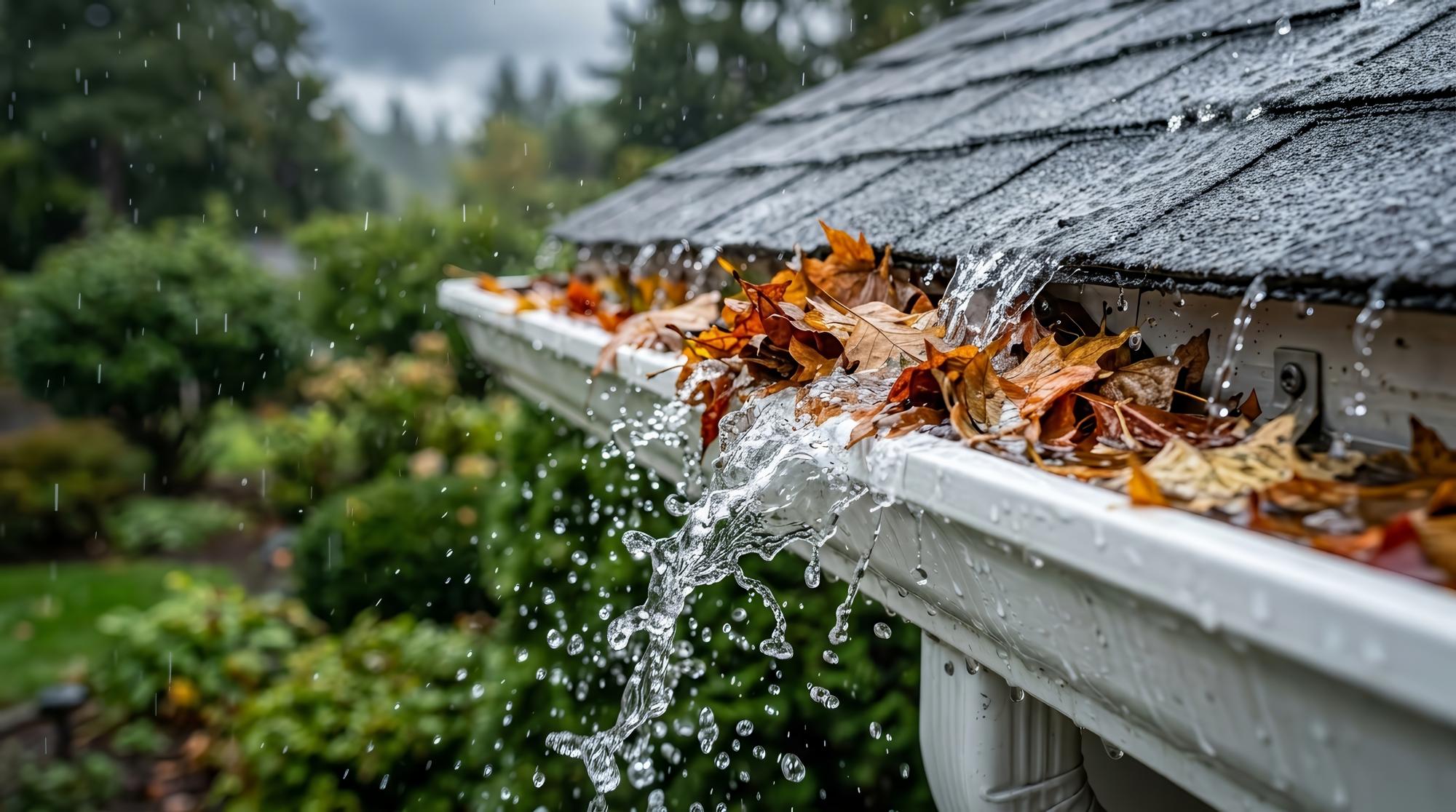
- Check that gutters, drains, and downspouts are clear and working properly.
- Make sure drainage directs water away from your home and slopes.
- Trim weak or overhanging tree branches and address potentially hazardous trees.
- If your home is prone to flooding, consider whether a sump pump is appropriate.
- If you have a sump pump, make sure it is working properly.
- Know where to get sandbags and have them available if you may need them.
- Identify outdoor furniture, equipment, vehicles, or other items that may need to be moved or secured before a storm.
If You Live on or Near a Slope
- Check retaining walls and drainage structures for damage, movement, or other changes.
- Avoid directing water toward a slope.
- Avoid placing unnecessary heavy loads near the top of a slope.
- If you have significant slope concerns, consider consulting a qualified professional about drainage or slope stability.

Prepare Yourself & Your Family
Every household is different. Think about what you and your family would need if you had to stay home without power - or leave home before conditions become unsafe.
Have an honest conversation with the people in your household. Consider any health conditions, disabilities, mobility needs, or other circumstances that could affect your ability to shelter in place or evacuate.
Sometimes the safest choice may be to stay home and shelter in place. Other times, leaving early to stay with family or friends may be the better option.
Gather Emergency Supplies
Plan to be able to meet your household's basic needs for 3–5 days, including food, water, sanitation, medications, and medical devices.
Prepare a Stay Box
Sometimes the safest place during a winter storm is inside your home. Prepare a Stay Box with supplies you may need if you cannot safely leave or access stores.
Consider including: water and nonperishable food for 3–5 days, flashlights and extra batteries, first-aid supplies, medications and important personal items, phone chargers or backup power, and pet supplies.
Build a Go Bag
If your home has been impacted by previous storms - or you would feel safer leaving before conditions worsen - prepare a Go Bag now so you can leave quickly if needed.
Include essentials such as: medications, important documents (including IDs, passports, birth certificates, and proof of insurance), clothing for 3–5 days, a phone charger, snacks, personal hygiene items, and supplies for children, older adults, pets, or anyone with specific needs.
Just Before a Storm: Take Action
As a storm approaches:
- Clear gutters, drains and downspouts.
- Secure outdoor furniture and loose objects.
- Check drainage around your property.
- Pick up sandbags
- Complete any final tree or vegetation maintenance only if it can be done safely.
- Never place yard waste or debris where it can enter storm drains, creeks, or drainage channels.
- Move vehicles or valuables away from areas that may flood.
- Make sure your Stay Box and Go Bags are easy to access.
When a Storm Is Coming
As a storm approaches, forecasts and emergency information will become more specific. Check official sources regularly for:
- Weather forecasts and watches
- Flood information
- Road closures
- Evacuation information
- Sandbag locations
- Power outage information
- Transit impacts
- Emergency instructions
During an active emergency, visit the Marin County Emergency Portal for current emergency information and instructions.
Reporting non-emergency incidents during a storm
Unincorporated Marin
Report non-emergency issues through the FixItMarin app, including:
- Minor street flooding or ponding water
- A clogged or overflowing storm drain
- Debris or fallen branches blocking a road
- Downed fencing or minor property damage on public land
Incorporated cities and towns
Find where to report in the FixItMarin Coverage Area Directory.
No app or limited internet? Call Marin County Roads, Monday–Friday, 6 a.m.–5 p.m.:
- Urban/East Marin: 415-446-7388
- West Marin: 415-473-2726
Non-emergency issues
For non-emergency issues occurring outside County Roads’ regular business hours, please contact the Marin County Sheriff’s Office non-emergency line at 415‑479‑2311.
If in immediate danger, call 911. FixItMarin is for non-emergency issues only.